
Reviews
Shadow Estate Enigmas stands out for its integrated puzzle design and atmospheric storytelling. The manor feels alive with history, and each solved riddle reveals another layer of the narrative. The absence of combat allows full focus on observation and deduction. Audio and visual details create a convincing sense of place. For fans of slow-paced, narrative-driven puzzles, this title offers a satisfying experience.
Description
Setting and Atmosphere
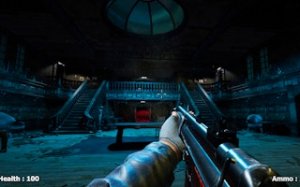
The game places players inside a large, aging mansion with detailed interiors. Corridors connect rooms filled with antique furniture, faded wallpaper, and creaking floorboards. Lighting shifts naturally as day turns to night, altering the mood and visibility. Sound effects like distant footsteps and wind through broken windows add to the sense of isolation. Every visual element supports the story of a place that has seen better times.
Core Puzzle Design
Puzzles are built into the environment rather than presented as separate challenges. A locked drawer might require finding a hidden key, while a sequence of levers must be pulled in the correct order based on clues found elsewhere. Some puzzles involve matching symbols or arranging objects to match a pattern shown in a painting. The difficulty increases gradually, with early puzzles teaching mechanics that become essential later.
Story Discovery
Players learn about the estate and its former residents by reading letters, diary entries, and newspaper clippings scattered throughout the building. These documents reveal personal histories, family conflicts, and events that led to the manor's decline. The narrative unfolds non-linearly, allowing players to piece together the full story at their own pace. Key plot points are reinforced by visual clues in the rooms themselves.
Exploration and Navigation
The manor is divided into several wings, each with a distinct character. The grand hall leads to a library, a study, a kitchen, and upper bedrooms. Some areas are initially blocked and require solving puzzles in other sections to unlock. A simple map system helps players track which rooms they have visited and which puzzles remain unsolved. Hidden passages behind bookcases or beneath rugs reward thorough searching.
Audio and Visual Design
High-resolution textures and dynamic lighting create a believable environment. The soundtrack uses subtle piano and string compositions that respond to player actions. Ambient sounds change based on location, with louder noises in open halls and softer ones in narrow corridors. Visual effects like dust particles and flickering lamps enhance the feeling of age and neglect. The overall presentation aims for immersion without relying on jump scares.




Player Comments
Sign in to comment
You must be logged in before posting a review or rating.
No account? Create one
No comments yet. Be the first to comment!