
Reviews
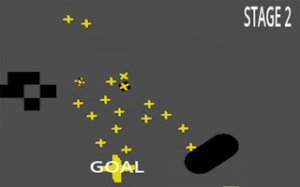
Ember Trail offers a refreshing take on the puzzle genre by focusing on coordination and planning rather than speed. The dual mouse controls require you to manage both the light and the environment, creating satisfying moments when a solution clicks into place. The gradual difficulty curve ensures that players of all ages can enjoy the experience without frustration. Its peaceful visuals and lack of pressure make it ideal for family play or solo relaxation. A well-crafted game that respects the player's time.
Description
Puzzle Mechanics and Controls
Ember Trail uses a dual-control system that sets it apart from typical puzzle games. Players use the left mouse button to drag the light across the level, while the right mouse button allows them to click, hold, and move three-dimensional objects. This coordination between two actions is central to solving each puzzle. You might slide a platform to bridge a gap, rotate a barrier to block shadows, or reposition an obstacle to create a clear path. The challenge lies in planning both movements together, as the light cannot touch any dark areas that would stop its progress. This mechanic encourages thoughtful sequencing rather than fast reactions.
Visual Design and Atmosphere
The game presents a calm world built around contrasts of light and shadow. Soft glows emanate from the light source, casting gentle illumination on surrounding objects. Dark areas are not threatening but serve as boundaries that require careful navigation. The art style uses muted colors and smooth gradients, creating a serene environment suitable for players of any age. This visual approach supports the puzzle focus, as each level is clearly laid out without distracting details. The overall feel is meditative, making it easy to settle into a rhythm of observation and problem-solving.
Level Structure and Difficulty Curve
Levels in Ember Trail introduce new elements at a steady pace. Early puzzles teach the basic interaction of moving the light and simple objects. Later stages combine multiple obstacles, requiring more elaborate sequences of moves. The difficulty increases gradually, so players never feel overwhelmed. Each puzzle feels distinct, with different arrangements of shadows and movable items. There is no timer or score pressure, allowing players to experiment freely. This design makes the game suitable for short sessions or longer play periods with family members.
Strategic Thinking and Planning
Success in Ember Trail depends on careful observation before acting. Players should first survey the level layout, noting where dark areas are located and which objects can be moved. The right mouse button lets you test object positions without risk to the light. Trying different arrangements helps reveal safe pathways. Because there is no time limit, players can take as long as needed to find the solution. This emphasis on planning over speed makes the game accessible to younger players and those who prefer thoughtful challenges. The satisfaction comes from seeing your plan succeed as the light reaches its goal.
Family-Friendly Design
Ember Trail is built for shared play. Its simple controls and non-violent theme make it appropriate for children and adults alike. The puzzles encourage discussion and cooperation, as family members can suggest moves or work together on tricky sections. There are no disturbing images or complex instructions. The game's gentle pace means that players of different skill levels can participate without frustration. This focus on inclusive fun makes it a good choice for family game time or for anyone seeking a relaxing mental exercise.
Compatibility
Faq
Related Games
Snake Journey: Endless Puzzle Adventure

Dog Jigsaw Puzzle Game

Sticka Stacka Tile Puzzle

Labyrinth Quest: Arcade Adventure
Sheep Farm Helper: Family Puzzle Adventure
Pinugs Rescue Adventure Platformer

Jeno the Cupcake Collector: Platformer Adventure

Diamond Gem Puzzle

Fox Gem Trail Puzzle
Player Comments
Sign in to comment
You must be logged in before posting a review or rating.
No account? Create one
No comments yet. Be the first to comment!